
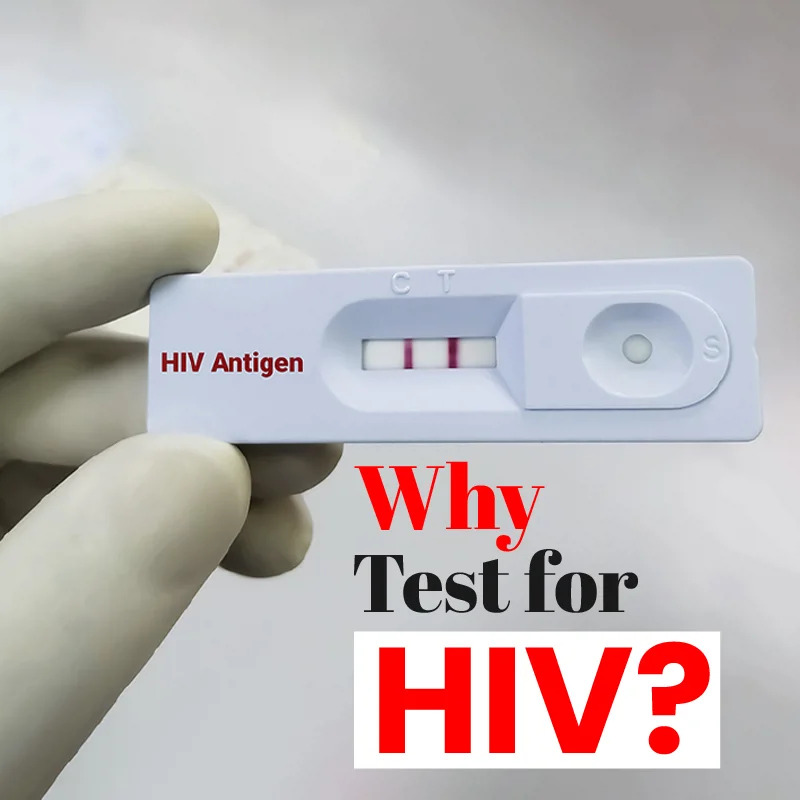
Introduction
HIV (Human Immunodeficiency Virus) is a virus that attacks the body’s immune system, making it harder to fight infections and certain diseases. If HIV is not diagnosed and treated in time, it can develop into AIDS (Acquired Immunodeficiency Syndrome), which is the most advanced stage of HIV infection. Although there is currently no complete cure for HIV, modern medical treatment allows people living with HIV to lead long, healthy, and productive lives. Understanding how HIV spreads and how it can be prevented is essential for protecting yourself and others.
What Causes HIV Infection?
HIV is transmitted through the exchange of specific body fluids from a person who has the virus. These fluids include blood, semen, vaginal fluids, rectal fluids, and breast milk. The virus enters the body through mucous membranes, damaged tissue, or direct injection into the bloodstream.
Some of the most common causes of HIV transmission include:
- Having unprotected vaginal or anal sex with a person who has HIV.
- Sharing needles, syringes, or other injection equipment.
- Receiving contaminated blood or blood products where proper screening is not performed.
- Transmission from a mother to her baby during pregnancy, childbirth, or breastfeeding if preventive treatment is not provided.
- Accidental needle-stick injuries in healthcare settings, although these cases are uncommon.
How HIV Does Not Spread
Many people still have misconceptions about HIV transmission. HIV cannot spread through casual daily contact. It is not transmitted by:
- Hugging, shaking hands, or touching someone.
- Sharing food, drinking glasses, or utensils.
- Coughing or sneezing.
- Using public toilets or swimming pools.
- Mosquito or insect bites.
Understanding these facts helps reduce fear and stigma associated with HIV.
Common Symptoms of HIV
The symptoms of HIV can vary depending on the stage of infection. During the early stage, some people may experience flu-like symptoms such as:
- Fever
- Sore throat
- Fatigue
- Swollen lymph nodes
- Muscle aches
- Skin rash
As the infection progresses without treatment, the immune system becomes weaker, increasing the risk of frequent infections, unexplained weight loss, prolonged fever, night sweats, and persistent diarrhea. Since symptoms may not appear for years, regular HIV testing is important for people who may be at risk.
Effective Ways to Prevent HIV
Preventing HIV involves a combination of safe practices and awareness. Some of the most effective prevention methods include:
- Use condoms correctly and consistently during sexual activity.
- Get tested regularly if you are sexually active or have multiple partners.
- Avoid sharing needles, syringes, or sharp instruments.
- Ensure that blood transfusions come from properly screened blood supplies.
- Pregnant women should receive appropriate medical care and HIV testing to reduce the risk of passing the virus to the baby.
- Consider preventive medications such as PrEP or PEP when recommended by a healthcare professional.
- Maintain open communication with your partner about sexual health and testing.
Importance of Early Diagnosis and Treatment
Early detection plays a major role in managing HIV effectively. Regular HIV testing allows timely diagnosis, enabling treatment to begin before significant damage occurs to the immune system. Antiretroviral therapy (ART) helps reduce the amount of virus in the body, strengthens the immune system, and lowers the risk of transmitting HIV to others. People who follow their prescribed treatment plan can enjoy a good quality of life and remain healthy for many years.
Conclusion
Always consult with your doctor or a healthcare professional before making any major changes to your diet, lifestyle, or medical routine. They can offer personalized advice based on your current health condition and medical history.
Note – If you have any health-related concerns, please call us at +91-9058577992 to receive free consultation from our experienced doctors. Thank you.
Leave a Reply