
Understanding Hepatitis B
Hepatitis B is a viral infection that affects the liver and can lead to both short-term and long-term health problems. The virus spreads through contact with infected blood and certain body fluids. Although many people recover completely, others may develop a long-lasting infection that increases the risk of liver damage over time. Learning how the virus spreads and how it can be prevented helps people make informed decisions about their health.
How Hepatitis B Is Transmitted
Hepatitis B is commonly spread through activities that involve direct exposure to infected blood or body fluids. One of the most common routes of transmission is unprotected sexual contact with an infected partner. The virus can also spread through sharing needles, unsafe medical procedures, or from an infected mother to her baby during childbirth.
Because the virus can remain active outside the body for several days, contact with contaminated objects that have traces of infected blood may also pose a risk in certain situations.
The Link Between Hepatitis B and Sexually Transmitted Infections
Hepatitis B is often discussed alongside sexually transmitted infections (STIs) because sexual contact is one of its major modes of transmission. Individuals who have multiple sexual partners or engage in unprotected sex have a higher chance of being exposed to the virus.
People diagnosed with one sexually transmitted infection may also have an increased likelihood of acquiring Hepatitis B if protective measures are not followed. This is because similar behaviors can increase the risk of exposure to multiple infections. Regular health screenings and practicing safer sex can help reduce these risks.
Common Symptoms to Watch For
Many people with Hepatitis B may not notice symptoms during the early stages of infection. When symptoms do appear, they may include:
- Fatigue or weakness
- Fever
- Loss of appetite
- Nausea and vomiting
- Pain or discomfort in the upper right side of the abdomen
- Dark-colored urine
- Yellowing of the skin and eyes (jaundice)
If these symptoms develop, medical evaluation is recommended for proper diagnosis and treatment.
Ways to Reduce the Risk
There are several effective measures that can lower the risk of Hepatitis B infection:
- Use condoms during sexual activity to reduce exposure.
- Limit the number of sexual partners and maintain open communication about sexual health.
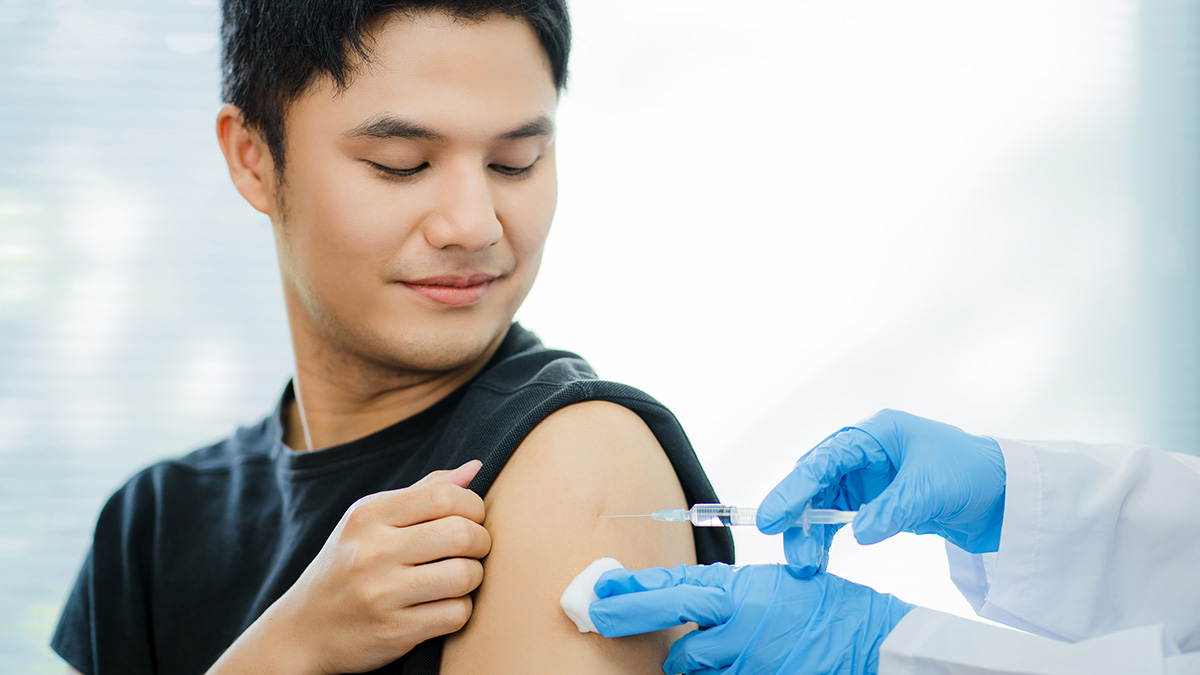
- Get vaccinated against Hepatitis B if you have not already received the vaccine.
- Avoid sharing needles, razors, or toothbrushes.
- Ensure that tattoos and piercings are performed with sterile equipment.
- Seek regular health check-ups, especially if you have risk factors for sexually transmitted infections.
These preventive steps can significantly reduce the likelihood of infection and support better long-term health.
Diagnosis and Treatment
Healthcare professionals diagnose Hepatitis B through blood tests that identify the virus and evaluate liver function. Depending on the stage of infection, treatment may involve regular monitoring or antiviral medications to control the virus and reduce the risk of liver complications.
Following medical advice, attending scheduled follow-up visits, and maintaining a healthy lifestyle can help manage the condition effectively.
Why Awareness Matters
Understanding the relationship between Hepatitis B and sexually transmitted infections encourages people to take preventive measures and seek timely medical care. Early detection, vaccination, and responsible health practices can reduce the spread of the virus and improve health outcomes for individuals and their families.
Conclusion
Always consult with your doctor or a healthcare professional before making any major changes to your diet, lifestyle, or medical routine. They can offer personalized advice based on your current health condition and medical history.
Note – If you have any health-related concerns, please call us at +91-9058577992 to receive free consultation from our experienced doctors. Thank you.
Leave a Reply