
Introduction
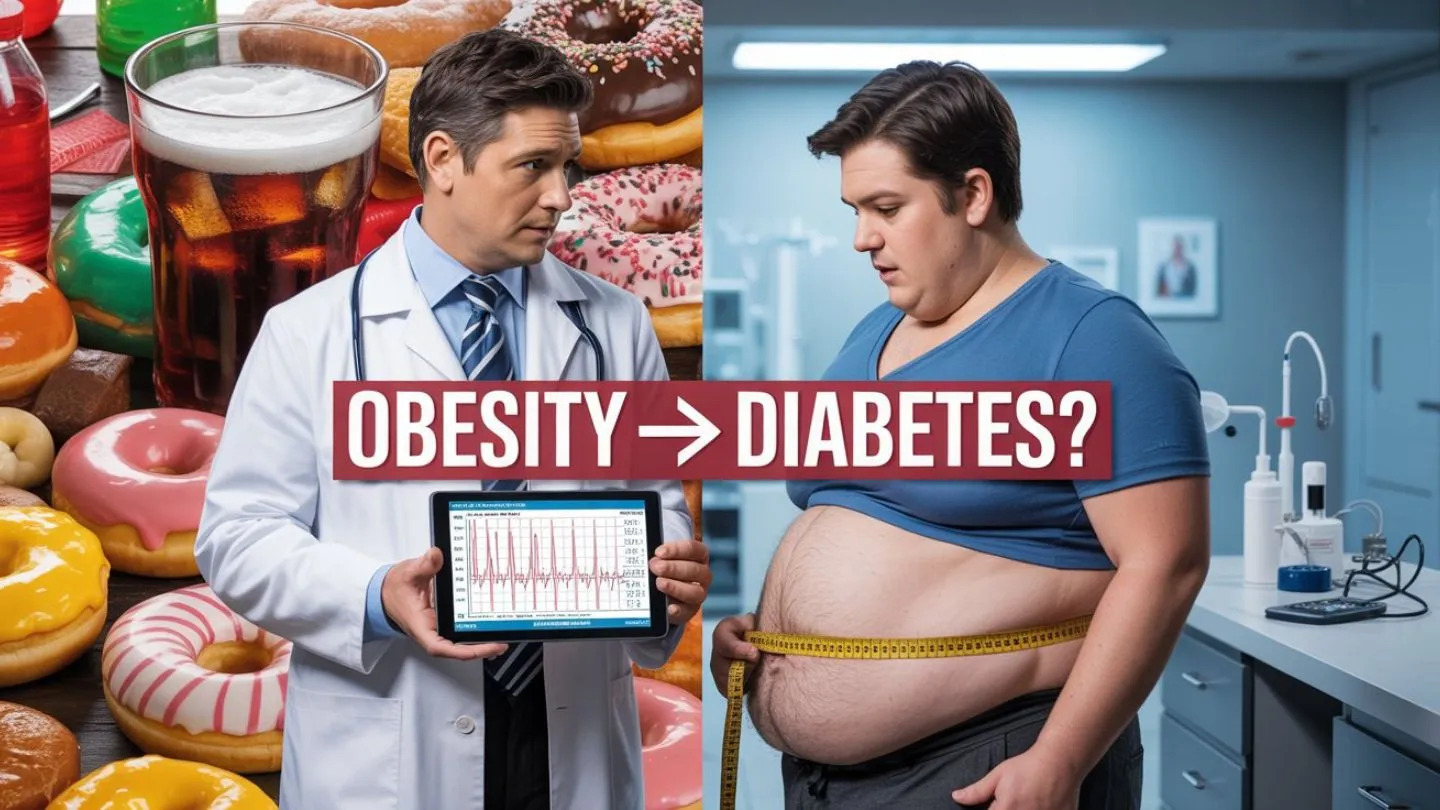
Obesity and diabetes are among the most common health concerns affecting men today. These conditions often develop gradually due to unhealthy habits, environmental influences, and genetic factors. While they can occur separately, they are closely connected, as excess body weight significantly increases the risk of developing type 2 diabetes. Learning about the main causes can help men make informed choices that support better long-term health.
Unhealthy Eating Habits
A poor diet is one of the leading reasons behind obesity and diabetes in men. Regular consumption of processed foods, sugary drinks, fast food, and snacks high in unhealthy fats and refined carbohydrates can lead to excessive calorie intake. Over time, this contributes to weight gain and affects the body’s ability to regulate blood sugar levels effectively.
Lack of Physical Activity
A sedentary lifestyle is another major contributor to both obesity and diabetes. Many men spend long hours sitting at work, driving, or using electronic devices, leaving little time for exercise. Without regular physical activity, the body burns fewer calories, making it easier to gain weight. Limited movement also reduces insulin sensitivity, increasing the likelihood of high blood sugar levels.
Family History and Genetics
Genetics can influence a person’s risk of becoming overweight or developing diabetes. Men with close family members who have diabetes or obesity may have a greater chance of facing similar health challenges. Although genetic factors cannot be changed, healthy daily habits can help reduce their impact.
Stress and Poor Sleep
Chronic stress and inadequate sleep can negatively affect overall health. High stress levels may encourage emotional eating and increase the production of hormones that promote fat storage. Poor sleep can also disturb hormone balance, increase hunger, reduce energy levels, and interfere with normal blood sugar control.
Hormonal Changes and Aging
As men grow older, natural hormonal changes and a slower metabolism may contribute to weight gain. Lower testosterone levels and reduced muscle mass can make it more difficult to maintain a healthy body weight. These changes may also increase the risk of insulin resistance and type 2 diabetes if healthy lifestyle habits are not maintained.
Excessive Alcohol Consumption and Smoking
Frequent alcohol intake can add extra calories to the diet and encourage weight gain. Smoking, while sometimes linked with lower body weight, can still increase the risk of insulin resistance and other serious health complications. Both habits can negatively affect overall metabolic health.
Medical Conditions and Certain Medications
Some health conditions and medications may increase the risk of obesity and diabetes. Medicines used for treating depression, high blood pressure, or other chronic illnesses may contribute to weight gain in some individuals. It is always advisable to discuss any concerns about medication side effects with a qualified healthcare professional.
Conclusion
Always consult with your doctor or a healthcare professional before making any major changes to your diet, lifestyle, or medical routine. They can offer personalized advice based on your current health condition and medical history.
Note – If you have any health-related concerns, please call us at +91-9058577992 to receive free consultation from our experienced doctors. Thank you.
Leave a Reply