
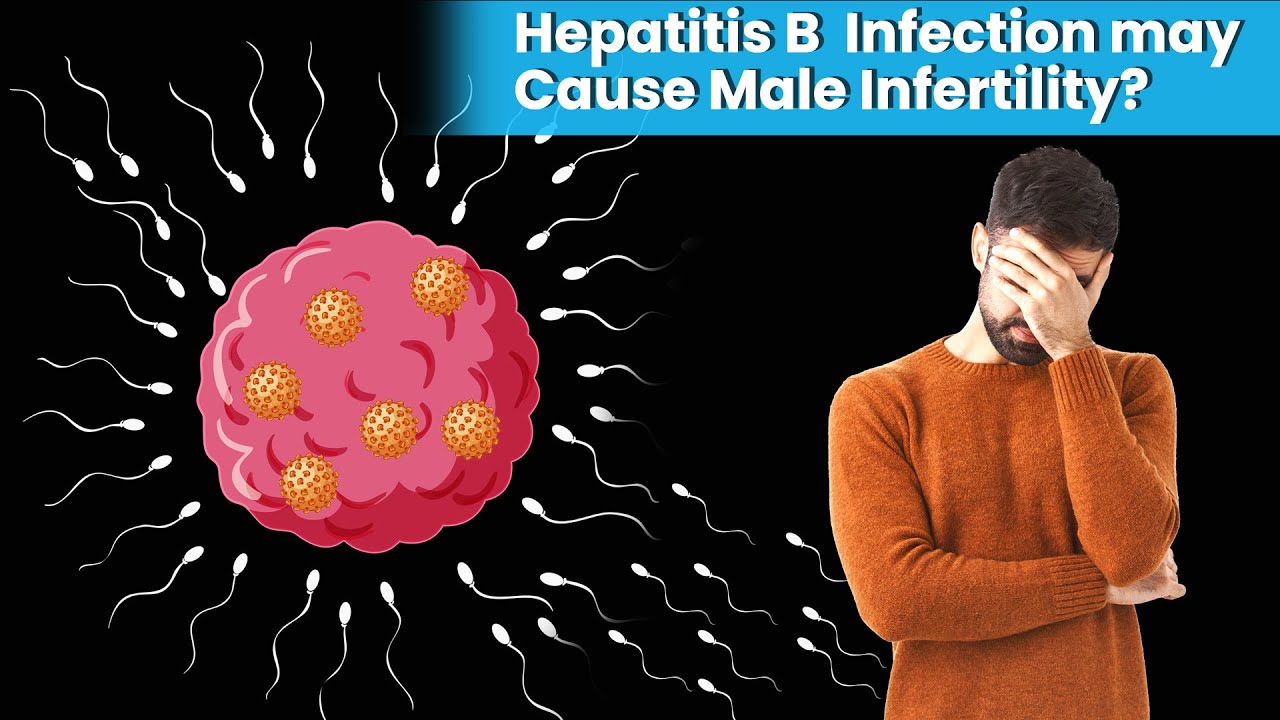
Viral hepatitis is a condition that causes inflammation of the liver and can lead to both short-term and long-term health problems. It is commonly caused by different hepatitis viruses, including hepatitis A, B, C, D, and E. While these infections are primarily known for affecting liver health, research suggests that certain types, particularly hepatitis B and hepatitis C, may also have an impact on male reproductive health.
Understanding Viral Hepatitis
Hepatitis refers to inflammation of the liver, an organ responsible for many important functions such as filtering toxins, processing nutrients, and supporting metabolism. Viral hepatitis occurs when a virus infects the liver and causes inflammation.
There are several types of hepatitis viruses, and each one differs in terms of transmission, symptoms, and treatment. A medical test can identify the specific type of hepatitis infection, allowing healthcare providers to recommend the most suitable treatment plan.
Some forms of hepatitis can be transmitted through infected blood, bodily fluids, and sexual contact. Because of this, hepatitis may sometimes be associated with sexually transmitted infections and reproductive health concerns.
The Link Between Hepatitis and Male Fertility
Studies have indicated that hepatitis B virus (HBV) and hepatitis C virus (HCV) may negatively affect male fertility. Although these infections may not significantly impact female reproductive organs, they can influence sperm production and quality in men.
Research suggests that hepatitis C infection may lead to changes in sperm structure, reduced sperm movement, and lower semen volume. It may also contribute to a decrease in sperm count, which can reduce the chances of successful conception.
Similarly, hepatitis B infection has been associated with reduced sperm motility, meaning sperm may have difficulty moving efficiently toward the egg. Some studies have also shown that components of the hepatitis B virus can interfere with the fertilization process, potentially lowering the likelihood of pregnancy.
Effects on Reproductive Outcomes
In addition to affecting sperm quality, hepatitis B may increase the risk of sperm DNA damage. When the genetic material within sperm becomes damaged, fertility may decline. DNA fragmentation in sperm has also been linked to a greater risk of pregnancy loss in some cases.
Evidence has further suggested that couples in which the male partner has a history of hepatitis B infection may experience lower fertility rates, even when assisted reproductive techniques such as in vitro fertilization (IVF) are used.
Preventing Hepatitis B Infection
Among the various hepatitis viruses, hepatitis B is one of the most commonly associated with fertility-related concerns in men. Vaccination remains one of the most effective ways to protect against hepatitis B infection.
Individuals who are sexually active, have multiple sexual partners, or have a partner who is known or suspected to be infected with hepatitis B should consider vaccination after consulting a healthcare professional. Safe sexual practices and regular medical screenings can also help reduce the risk of infection.
Family Planning and Medical Guidance
Men who have been diagnosed with hepatitis B or hepatitis C and are planning to start a family should seek medical advice before conception. Healthcare professionals can recommend appropriate testing, treatment, and fertility evaluations when necessary. Early diagnosis and proper management can help improve overall health and support reproductive goals.
Conclusion
Always consult with your doctor or a healthcare professional before making any major changes to your diet, lifestyle, or medical routine. They can offer personalized advice based on your current health condition and medical history.
Note – If you have any health-related concerns, please call us at +91-9058577992 to receive free consultation from our experienced doctors. Thank you.
Leave a Reply